Canon RF 100-300mm F2.8 L IS USM
Launch MSRP
$9,499- Weight
- 2,590g
- Filter
- ⌀112mm
- Min focus
- 1.80m
- Max mag.
- 0.16×
- Formula
- 23E / 18G
- Released
- 2023
Specification sheet
Optical construction
- 1x Fluorite
- 4x UD
- 1x Aspherical
- ASC
- Fluorine Coating
- Aperture range
- f/2.8 — f/22
Physical & ergonomics
- Weight
- 2,590g
- ⌀ × length
- 128.0 × 323.4mm
- Filter
- ⌀112mm
- Weather sealed
- Yes
- Aperture ring
- No
Autofocus actuator
- Stabilisation
- Optical
- Teleconverter
- 1.4x · 2.0x
- AF speed score
- 9.3 / 10
Close-up performance
- Min focus distance
- 1.80m
- Max magnification
- 0.16× (1:6.3)
Optical character
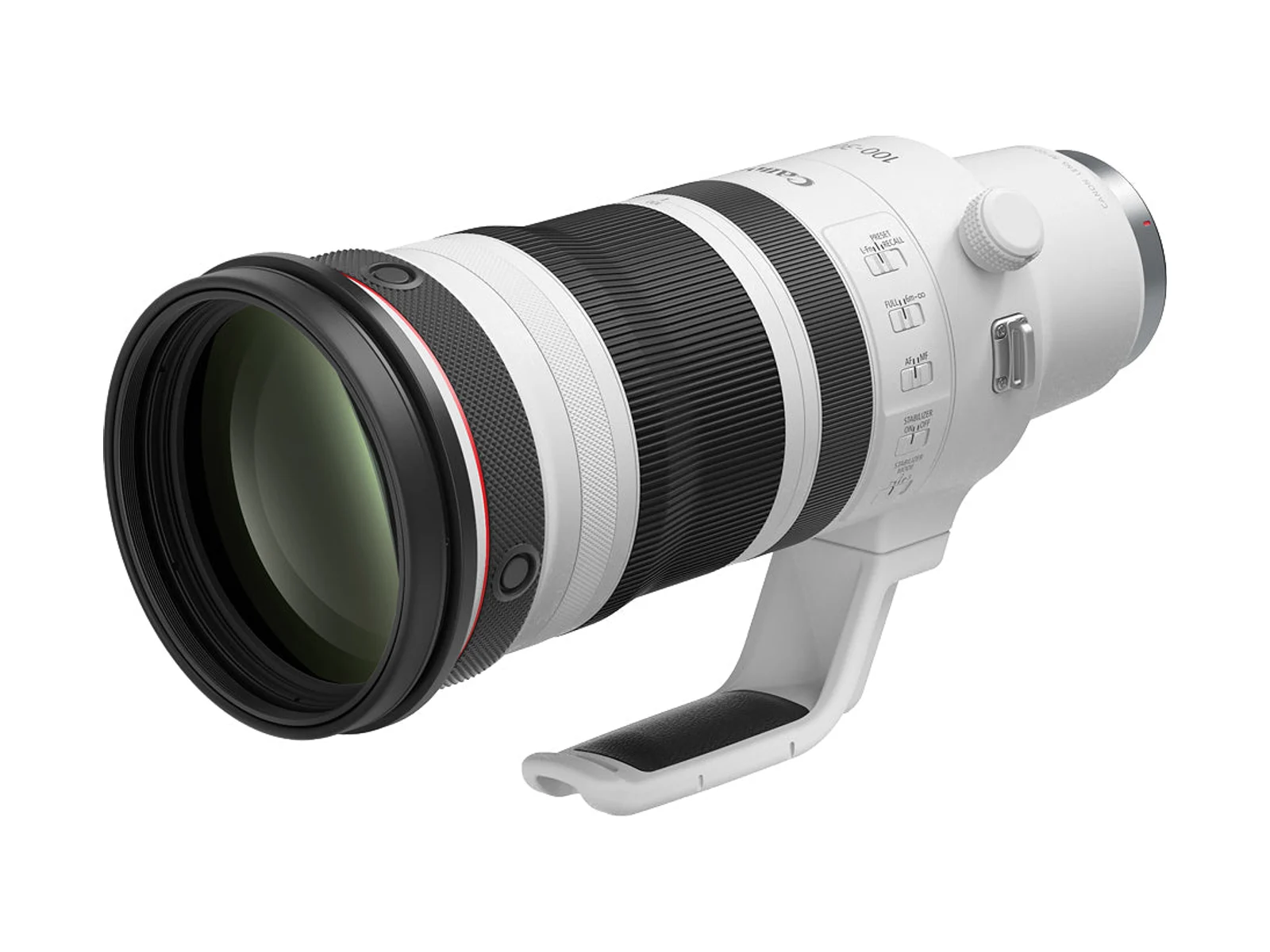
Canon used the EF 300mm f/2.8L IS II as its starting point and built a constant f/2.8 zoom from 100 to 300mm. It weighs 2590g, only slightly more than that prime, and zooms internally, so its length and balance stay the same at every focal length. It is aimed at indoor sports, events, news and wildlife in poor light, and it takes both RF extenders: 140-420mm f/4 with the RF1.4x, or 200-600mm f/5.6 with the RF2x.
The 23-element design uses one fluorite element, four UD elements and one glass-moulded aspherical element, with ASC on three surfaces and a fluorine-coated front. Two Nano USM motors drive the focus and floating groups separately. Lens IS is rated at 5.5 stops (6 coordinated) with three modes. The barrel carries four lens function buttons, a focus preset, a 1.8m/6m focus limiter and a clicked control ring. Canon dropped the drop-in filter slot of its big EF teles to save weight, so filters go on the 112mm front thread.
Reviewer consensus
Testers put its image quality on a par with top prime lenses. It is very sharp from the centre to the extreme corners at f/2.8 throughout the zoom range, and chromatic aberration is close to invisible apart from a little fringing at the frame edges at the short end. Distortion is slight, and the light vignetting at 100mm f/2.8 is gone by f/5.6. Bokeh is smooth and ghosting and flare are well controlled.
Autofocus is very fast, accurate and almost silent, with a high hit rate on moving subjects, and the stabiliser lives up to its 5.5-stop rating. Image quality holds up well with both RF extenders in real-world use. The drawbacks are the price, the 2.6kg weight for long handheld sessions, the rare and costly 112mm filters, a noisy zoom mechanism, front focus buttons that are awkward to reach, and a tripod ring that stays on the lens with a foot that is not Arca-type.
Owner sentiment
Wildlife owners value the f/2.8 aperture at dawn and dusk and the ability to zoom out when animals come close, which a long prime cannot do. One owner who also uses a 600mm f/4 says this lens took the place of a 70-200mm f/2.8, a 100-500mm and a 400mm f/2.8 in his kit, and that it still performs superbly as a 140-420mm f/4 with the 1.4x extender.
Another owner made it his main safari lens for a couple of years, sometimes with the 1.4x, but later left it at home in favour of a lighter, slower 100-400mm zoom for its flexibility and weight. Cost and weight are the trade-offs these owners mention.
Strengths, weaknesses & performance
Strengths
- +Constant f/2.8 from 100 to 300mm
- +Sharp to the corners wide open
- +Internal zoom keeps balance fixed
- +140-420mm f/4 or 200-600mm f/5.6 with RF extenders
- +Fast, quiet dual Nano USM AF
- +5.5-stop IS, fluorine coating, sealed
Weaknesses
- −Very expensive
- −2590g, tiring to handhold
- −112mm front filters, no drop-in slot
- −Noisy zoom mechanism
- −1.8m minimum focus
Six-axis rating
- Sharpness
- 9.4
- Bokeh Rendering
- 9.1
- Autofocus Speed
- 9.3
- Flare Resistance
- 8.6
- Build / Sealing
- 9.4
- Value / Size
- 5.9
Editorial 0–10 ratings synthesised from published reviews.
Technical specifications
| Mount | Canon RF · full frame |
|---|---|
| Focal length | 100–300mm |
| Category | Telephoto |
| Maximum aperture | f/2.8 |
| Minimum aperture | f/22 |
| Construction | 23 elements in 18 groups |
| Special elements | 1x Fluorite · 4x UD · 1x Aspherical · ASC · Fluorine Coating |
| Aperture blades | 9 |
| Focus type | Autofocus |
|---|---|
| Drive | Nano USM (x2) |
| Minimum focus | 1.80m |
| Max magnification | 0.16× |
| Stabilisation | Optical |
| Teleconverters | 1.4x, 2.0x |
| Weight | 2,590g |
|---|---|
| Diameter × length | 128.0 × 323.4mm |
| Filter thread | ⌀112mm |
| Weather sealing | Yes |
| Aperture ring | No |
| De-clickable aperture | No |
| Release year | 2023 |
| Launch MSRP | $9,499 USD |
Sources
Verified against the pages below. Specifications come from the manufacturer; summaries only reflect reviews and owner reports we actually read.
Specifications
- canon.com.cn/product/rf100300f28l/spec.html
- canon.com.cn/product/rf100300f28l/
- global.canon/en/c-museum/product/rf524.html
- store.hk.canon/en/products/rf100-300mm-f2-8-l-is-usm.json
Launch price
- canonrumors.com/its-here-canon-rf-100-300mm-f-2-8l-is-usm-officially-announ
Professional reviews
- digitalcameraworld.com/reviews/canon-rf-100-300mm-f28l-is-usm-review
- photographyblog.com/reviews/canon_rf_100_300mm_f2_8l_is_usm_review
- photographyblog.com/reviews/canon_rf_100_300mm_f2_8l_is_usm_review/conclusion
Owner reports
- paolosartoriphotography.com/blog/2025/4/why-i-bought-the-canon-rf-100-300mm-f28-for-wil
- michaelahlen.com/writing/Leaving-the-Canon-a-Home
Similar focal length alternatives
- VSRF 100-300mm F2.8 L IS USM vs RF 75-300mm F4-5.6
- VSRF 100-300mm F2.8 L IS USM vs RF 100-400mm F5.6-8 IS USM
- VSRF 100-300mm F2.8 L IS USM vs RF 100-500mm F4.5-7.1 L IS USM
- Canon
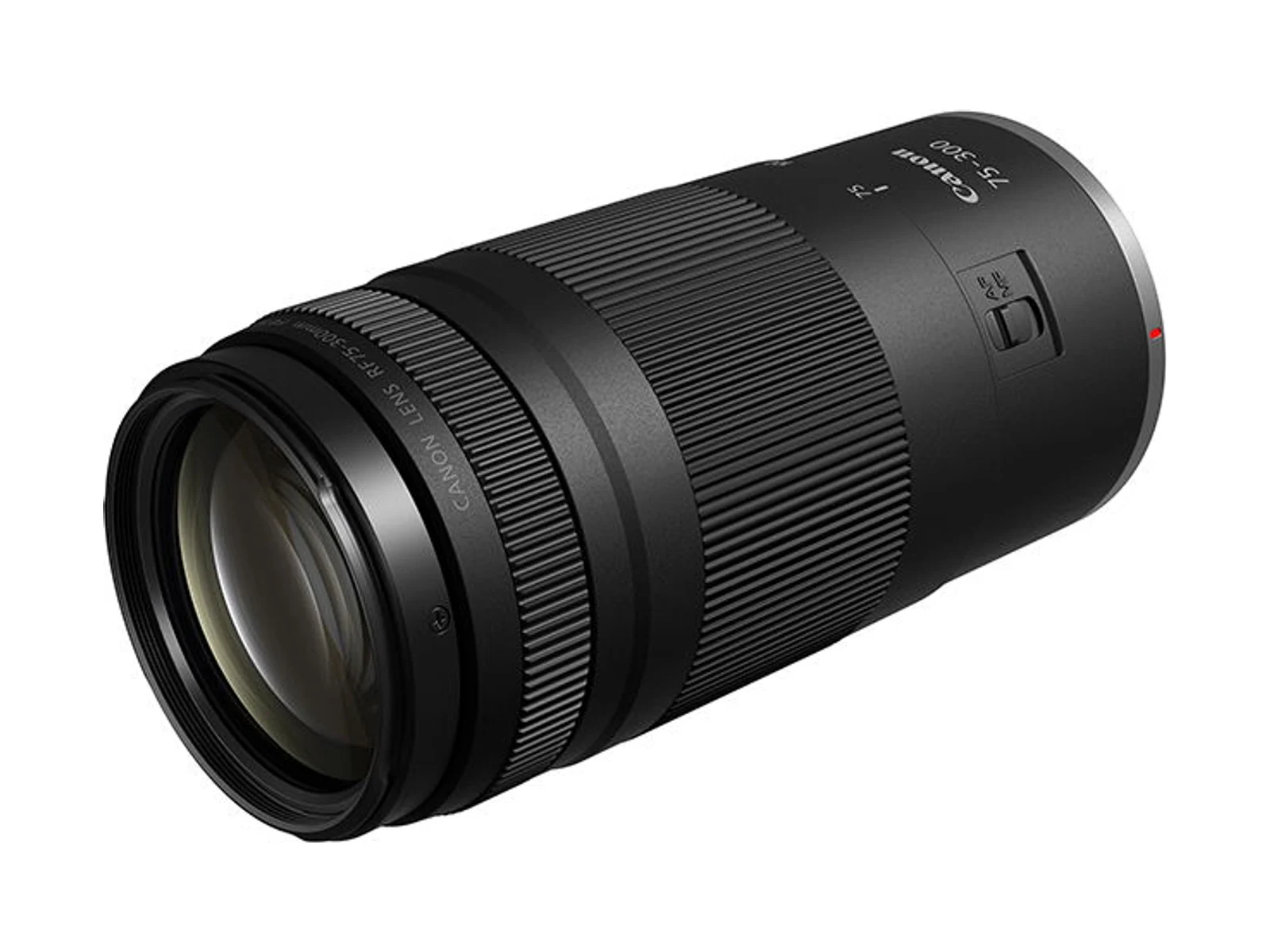
RF 75-300mm F4-5.6
75–300mmF4–5.6- WT
- 507g
- FLT
- ⌀58mm
- MFD
- 1.50m
- MSRP
- $219
AF - Canon
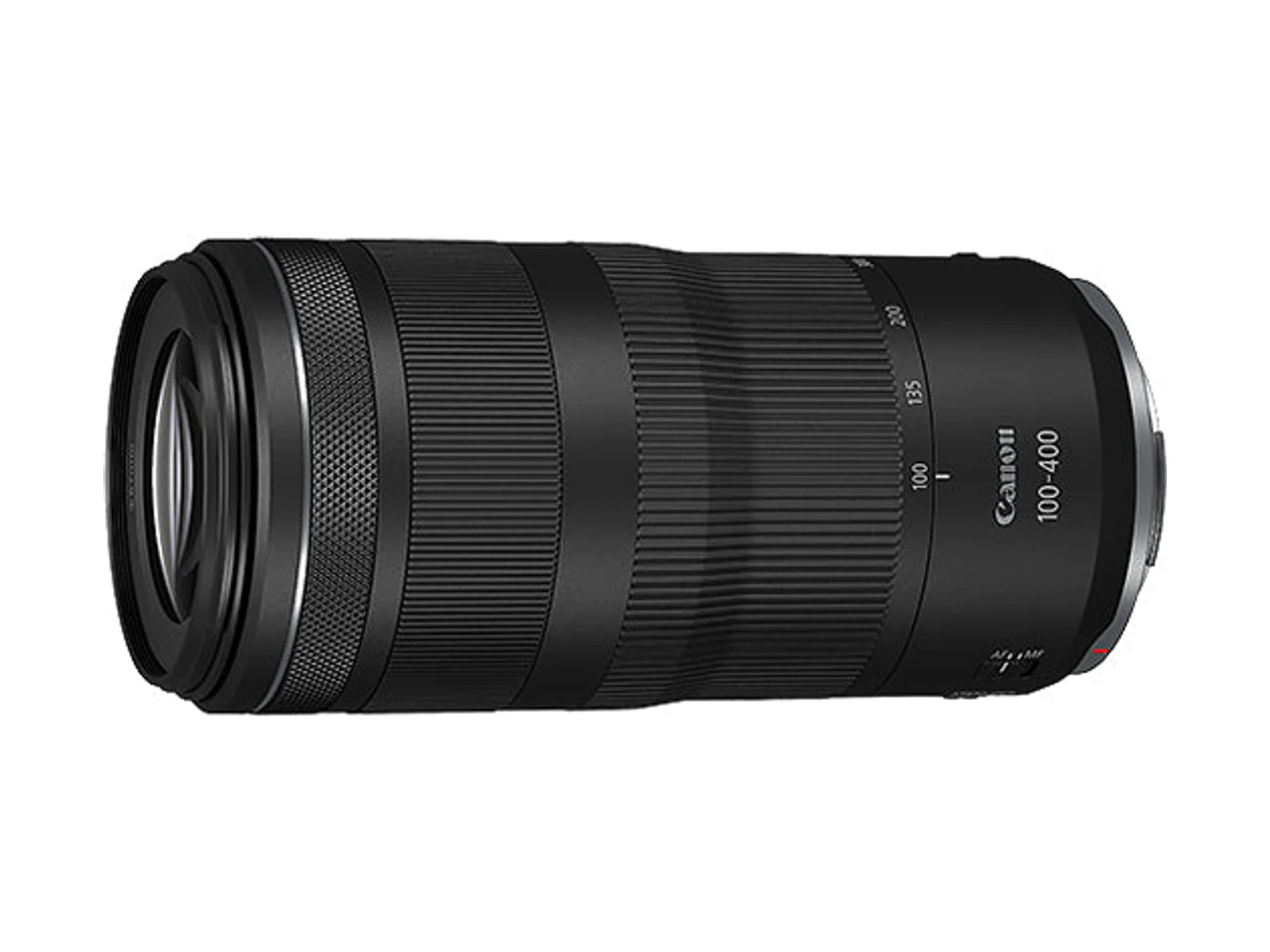
RF 100-400mm F5.6-8 IS USM
100–400mmF5.6–8- WT
- 635g
- FLT
- ⌀67mm
- MFD
- 0.88m
- MSRP
- $649
AFSTAB - CanonL
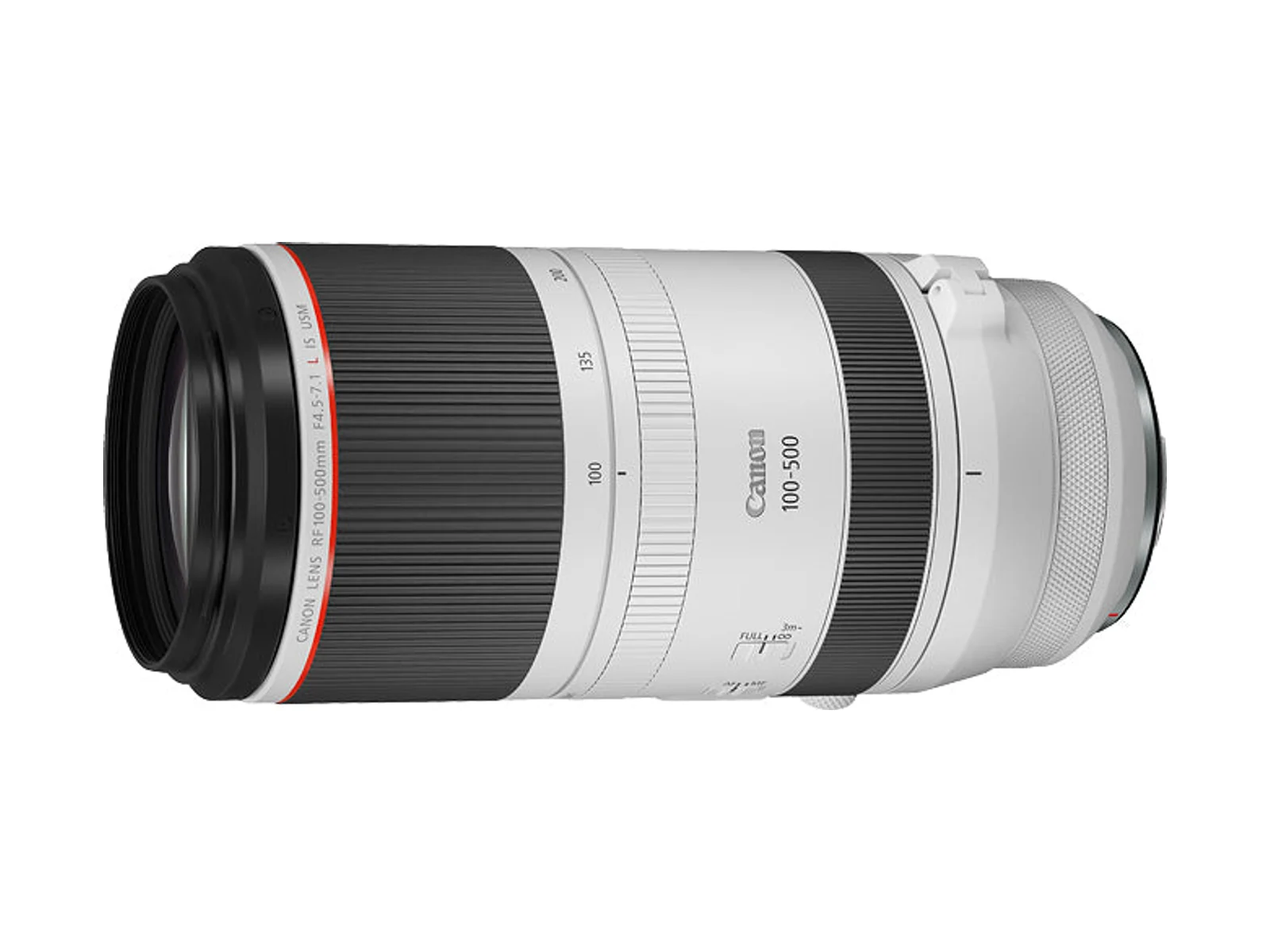
RF 100-500mm F4.5-7.1 L IS USM
100–500mmF4.5–7.1- WT
- 1,370g
- FLT
- ⌀77mm
- MFD
- 0.90m
- MSRP
- $2,699
AFSTABWR