NIKKOR Z 70-200mm f/2.8 VR S vs Tamron 70-300mm F/4.5-6.3 Di III RXD (Nikon Z)
Key differences
- —The 70-300mm F/4.5-6.3 Di III RXD (Nikon Z) is 780g lighter (580g vs 1360g).
- —The NIKKOR Z 70-200mm f/2.8 VR S is faster: f/2.8 vs f/4.5 (≈1.4 stops more light).
- —At launch the 70-300mm F/4.5-6.3 Di III RXD (Nikon Z) cost $2,001 less ($599 vs $2,600).
- —For close-ups the NIKKOR Z 70-200mm f/2.8 VR S reaches 0.20× vs 0.20×.
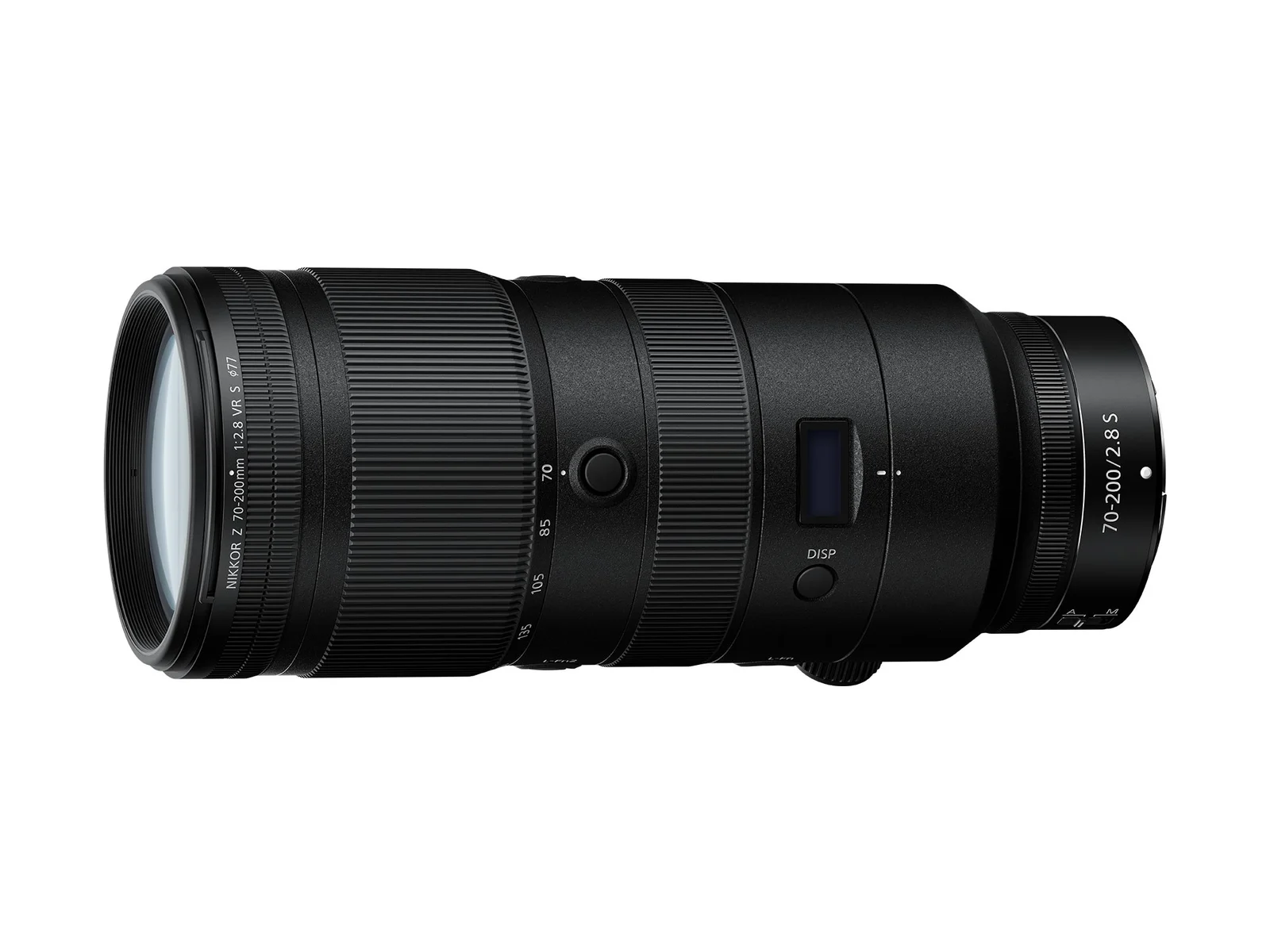
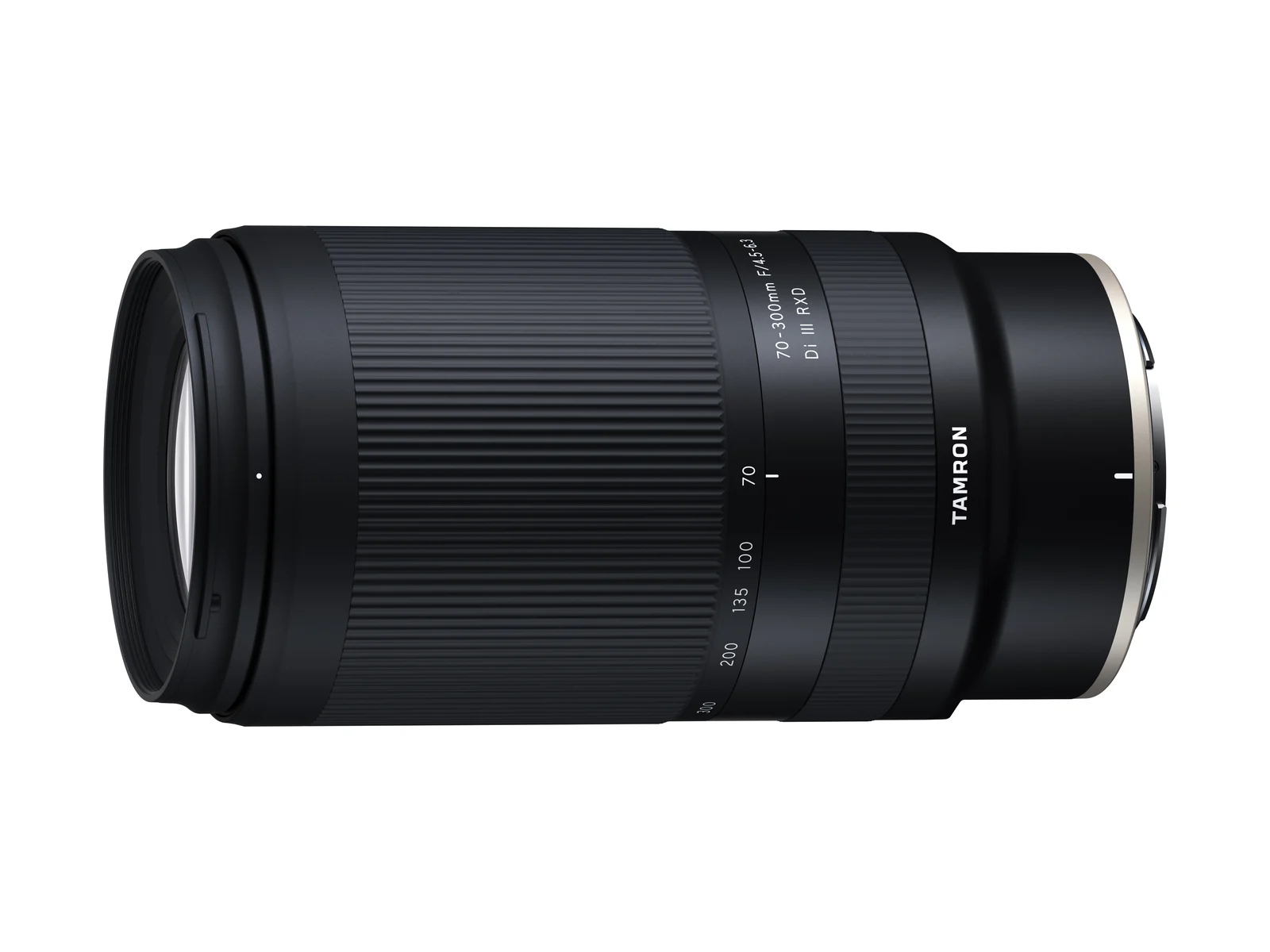
- Mount
- Nikon Z (FX)
- Nikon Z (FX)
- Focal length
- 70–200mm
- 70–300mm
- Max aperture
- F2.8◆
- F4.5–6.3
- Weight
- 1,360g
- 580g◆
- Dimensions ⌀ × L
- 89.0 × 220.0mm
- 77.0 × 150.3mm
- Volume
- 1369 cm³
- 700 cm³◆
- Density
- 0.99 g/cm³
- 0.83 g/cm³
- Filter thread
- ⌀77mm
- ⌀67mm
- Min focus
- 0.50m◆
- 0.80m
- Max magnification
- 0.20×◆
- 0.20×
- Elements / groups
- 21 / 18
- 15 / 10
- Aperture blades
- 9◆
- 7
- Focus drive
- Stepping Motor (STM) x2, Multi-focusing
- RXD Stepping Motor
- Stabilisation
- Yes
- —
- Weather sealed
- Yes
- Yes
- Aperture ring
- —
- —
- Released
- 2020
- 2022
- MSRP (USD)
- $2,600
- $599◆
- Sharpness
- 9.4◆
- 7.6
- Bokeh Rendering
- 8.8◆
- 7.0
- Autofocus Speed
- 8.9◆
- 7.6
- Flare Resistance
- 9.0◆
- 7.5
- Build / Sealing
- 9.3◆
- 7.4
- Value / Size
- 7.6
- 9.0◆
Performance overlay
- NIKKOR Z 70-200mm f/2.8 VR S
- 70-300mm F/4.5-6.3 Di III RXD (Nikon Z)
◆ marks the best value in a row. Scores are 0–10 editorial ratings.